FREE Shipping $60+

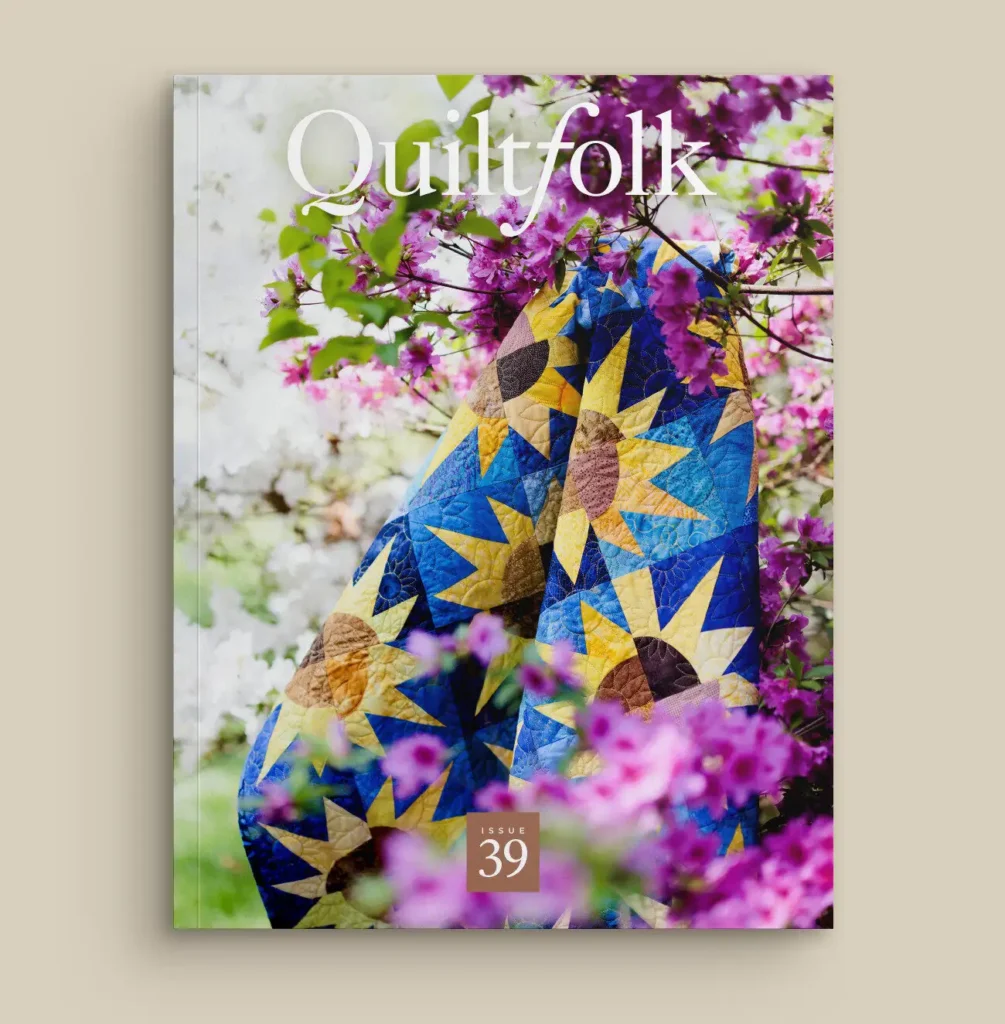
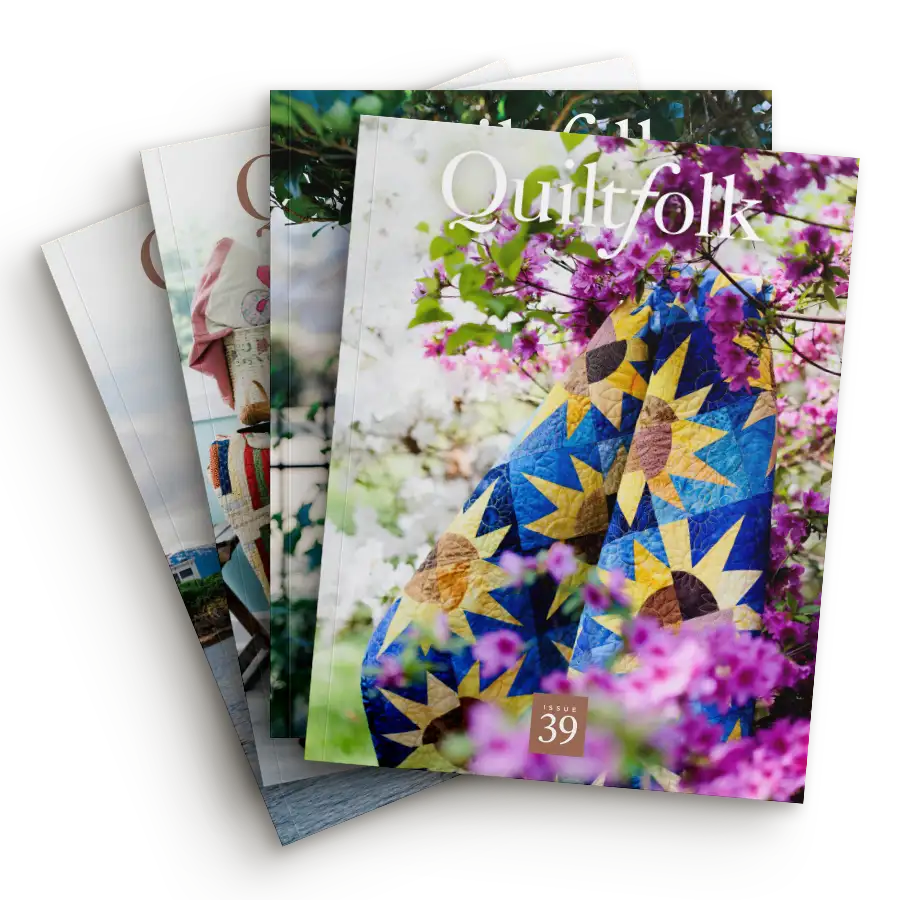
Issue 39 | Washington, D.C.

  • 164 pages
  • Advertisement free
  • 100% money-back promise
  • Printed in the USA
  • Subscribe to receive Issue 39 in July

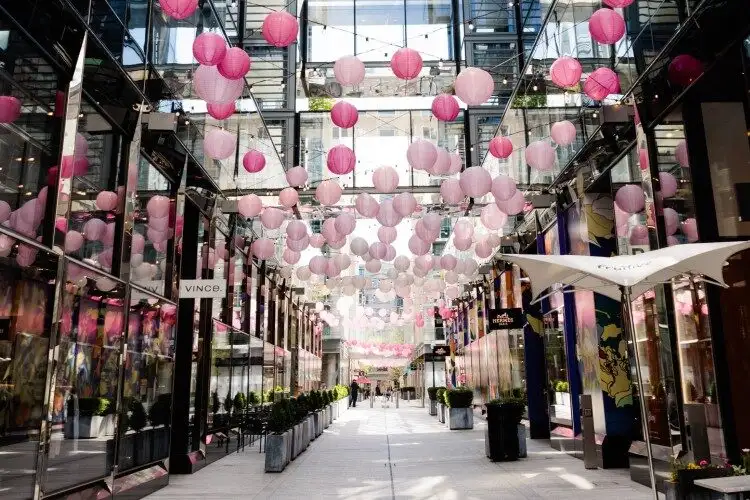
Washington, D.C. is a city of paradoxes—small in size but vast in influence. At just 68 square miles, it is smaller than Rhode Island, yet it holds more than 175 embassies, the nation’s most powerful institutions, and a daily population that swells far beyond its borders. Founded in 1790 from land carved out of Maryland and Virginia, the District of Columbia is younger than Georgetown and, in a legal quirk of history, hasn’t officially “existed” as a city since 1871.

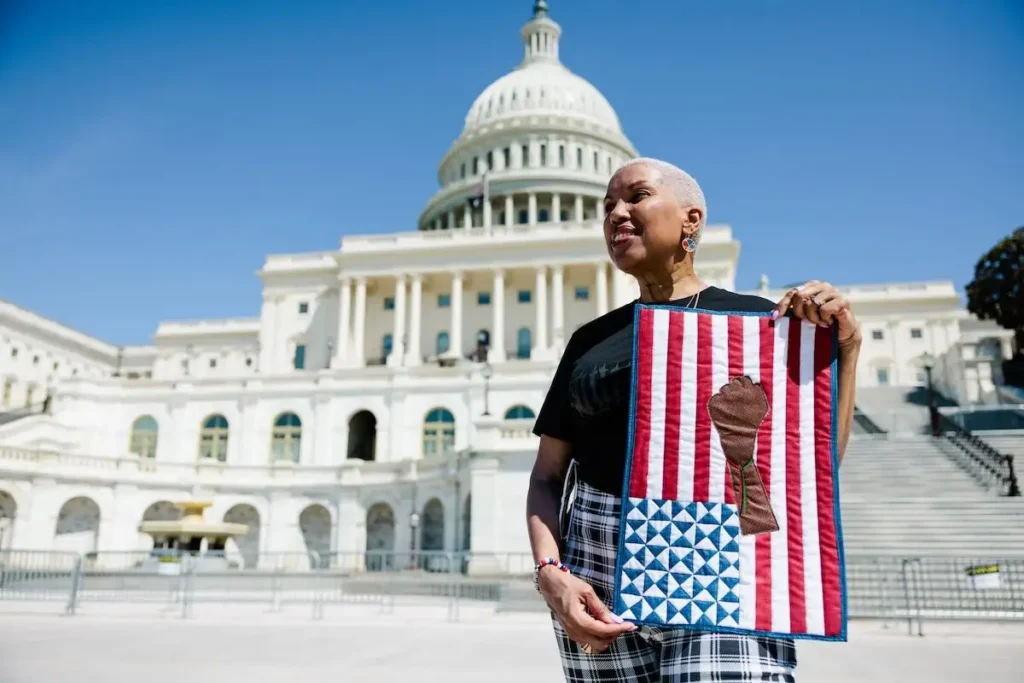
In 2026, as the United States marks its 250th anniversary, the nation’s capital feels especially resonant. Across the country, communities are reflecting on the people, movements, and stories that have shaped America over the last two and a half centuries. And what better place to consider that legacy than Washington, D.C.? Here, history is not confined to museums or memorials; it is woven into daily life, constantly evolving through the voices and hands of the people who call the District home.

In D.C., all roads famously converge at the Capitol Building, the symbolic and literal center of its quadrants. Beneath the marble monuments and grand memorials, the city hums with everyday life—riding the nation’s second busiest Metro system, sharing more wine per capita than any state, and moving through spaces where history is never far from the surface. The Library of Congress stands as the largest in the world, while the Lincoln Memorial has witnessed both solemn reflection and transformative calls for justice.

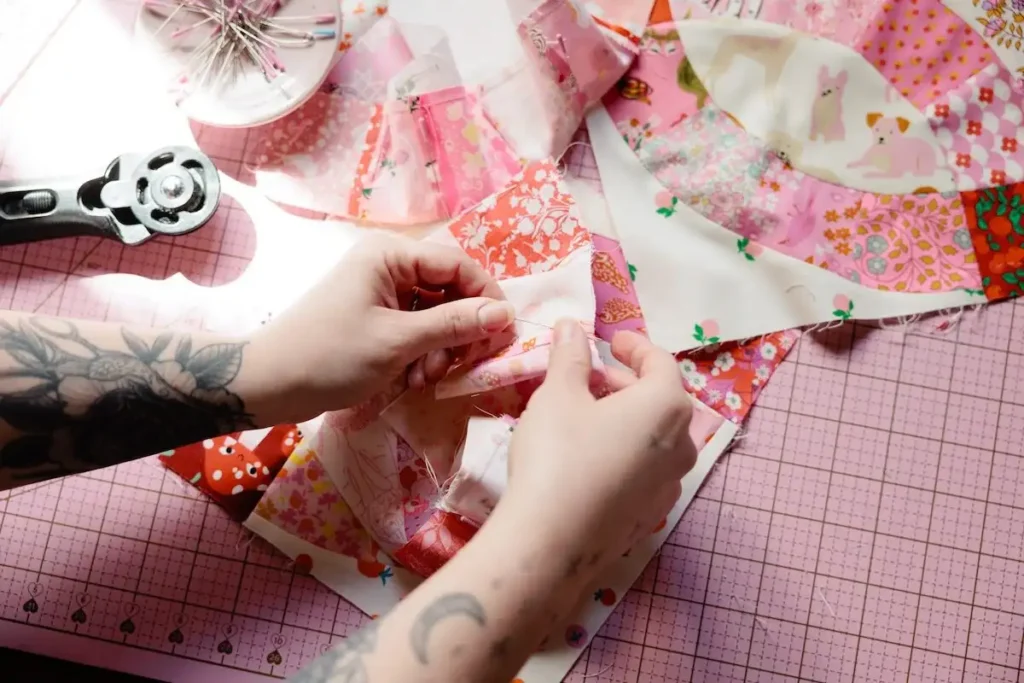
But D.C. is also a city of intricate layering, much like a quilt itself. Neighborhoods shift within just a few miles, each adding their own fabric to the whole: Georgetown’s cobblestones, Capitol Hill’s rowhouses, and creative spaces where makers gather to cut, piece, and stitch meaning into material.

It is within this layered, storied landscape that Washington, D.C. quilters create. Their work reflects a city stitched together from history, migration, memory, and meaning—where every thread, like every road, leads somewhere significant.

Writers: Rebecca Bratburd, Mel Burke, Meg Cox, Frances O’Roark Dowell, Courtney Mabeus-Brown, Christopher Michel, Diane L. Murtha, Sharbreon Plummer and Teresa Duryea Wong.

Photographer: Azuree Holloway 

Photo Stylist: Trevor Holloway

Guest Photographer: Bréana Parks
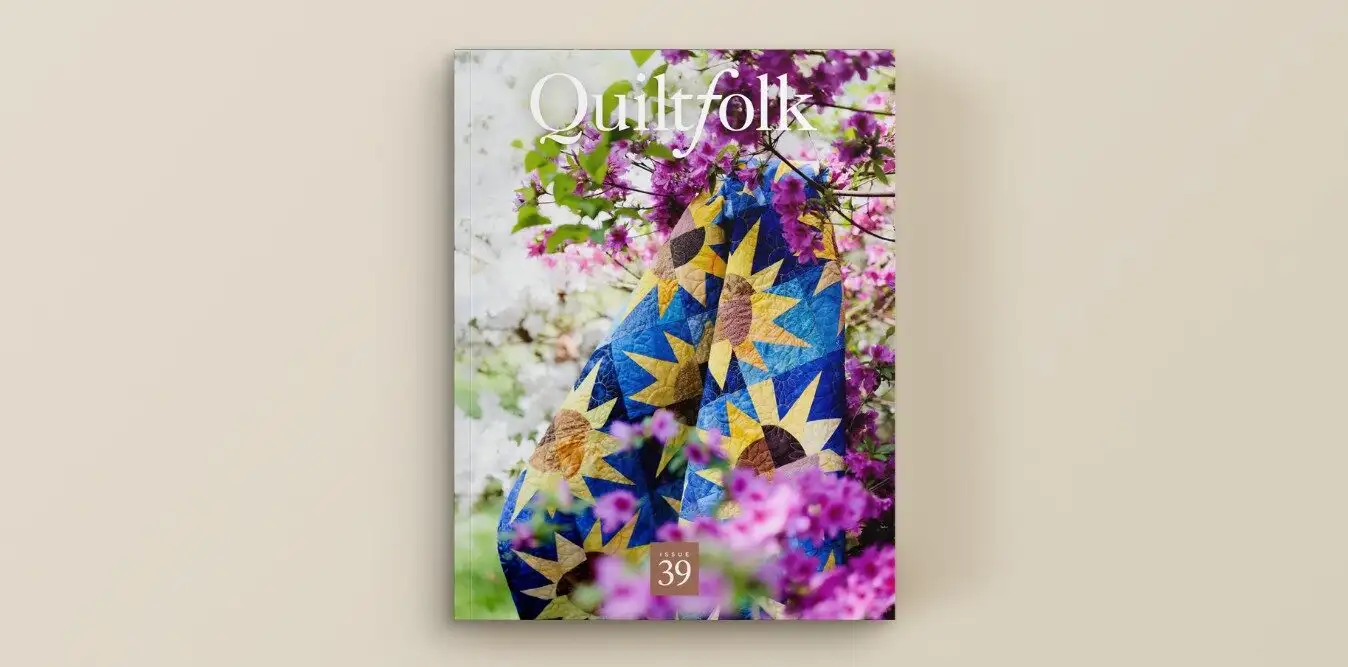
Previews From Issue 39

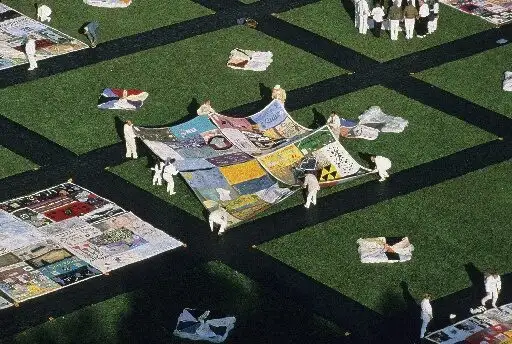
AIDS Memorial Quilt

Through the AIDS Memorial Quilt, a powerful legacy of remembrance and activism continues to unfold. What began as a response to loss during the early AIDS crisis has grown into the largest community art project in history—honoring thousands of lives while challenging stigma and silence. Today, through preservation, public displays, and ongoing contributions, the quilt remains both a tribute and a living reminder of the people and stories stitched into it.

Allison Deptula

Ally Deptula says she was born to quilt. The skill blossomed during summers at her grandmother’s, then snuck into later garment constructions via her cosplay projects. The result is whimsical but practical pop-culture costumes that give Ally’s work a vibrant, signature flair.

Aynex Mercado

Aynex Mercado learned to quilt while enduring a difficult and lengthy recovery from a car wreck in college that left her with a spinal injury. Quilting not only offered therapy, it also transformed Aynex’s life. She spent her formative years as an art quilter living in an artist’s community in Paducah, Kentucky—Quilt City, USA—before moving to Frederick, Maryland. Now, she’s focusing on establishing herself as a fine artist whose medium happens to be quilts.

DAR Museum

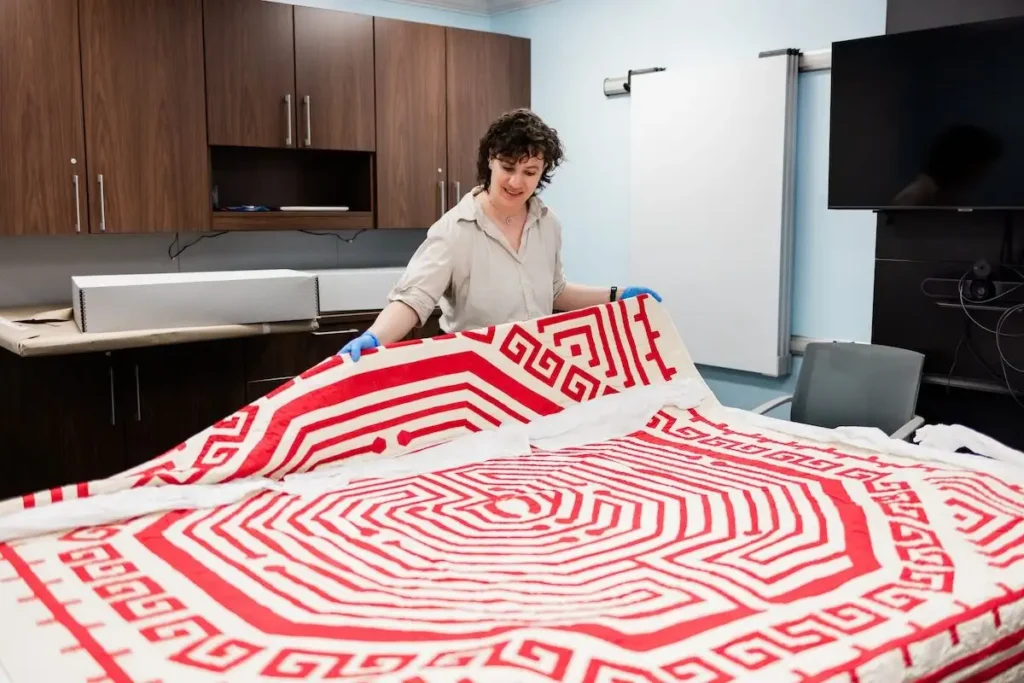
Behind the grand facade of the DAR Museum lies a quilt collection unlike any other in America. With rare early quilts, detailed family provenance, and carefully recreated historic interiors, the museum offers an intimate look at life in early American homes. Readers will discover extraordinary works by named makers whose stories have survived alongside their stitches. The museum continues to keep quilts visible year-round, even outside major exhibitions.

Donna DeSota and Her Dream Team

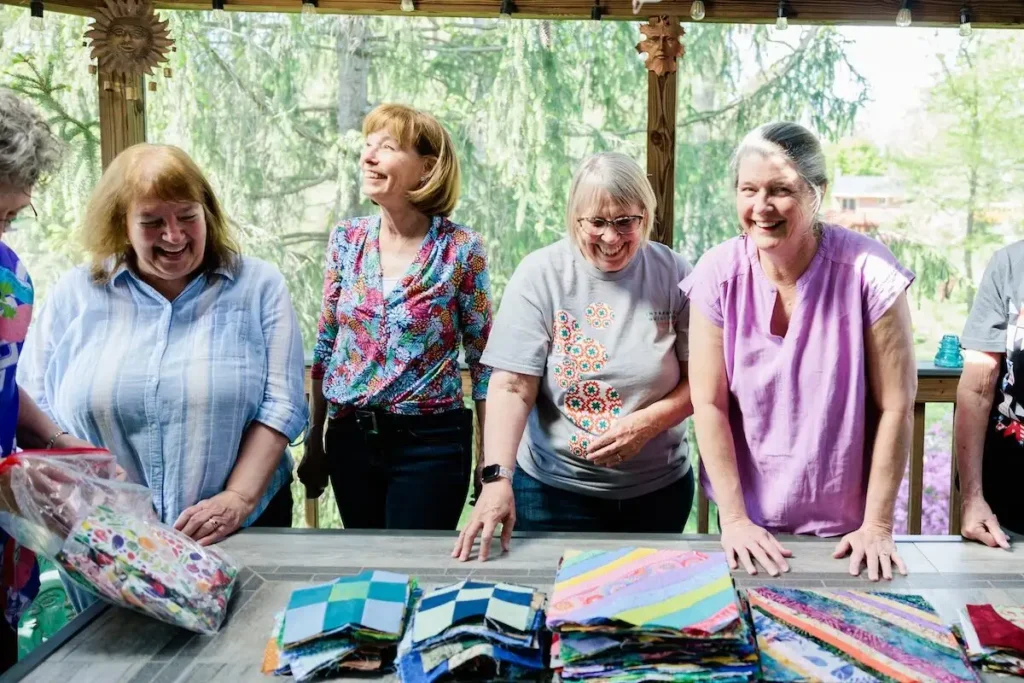
Initially hesitant to join the local guild, Donna DeSoto thought you had to be a quilter of a certain caliber before qualifying for such a group. She was pleasantly surprised that all she needed to do was pay the membership fee. Since then, Donna has made big strides in the quilting world with her “Inspired By” projects. Now, with the help of her dream team and her network of treasured quilters, she’s doing even more with the “Modern Day Heroes” project.

Georgia Yuan

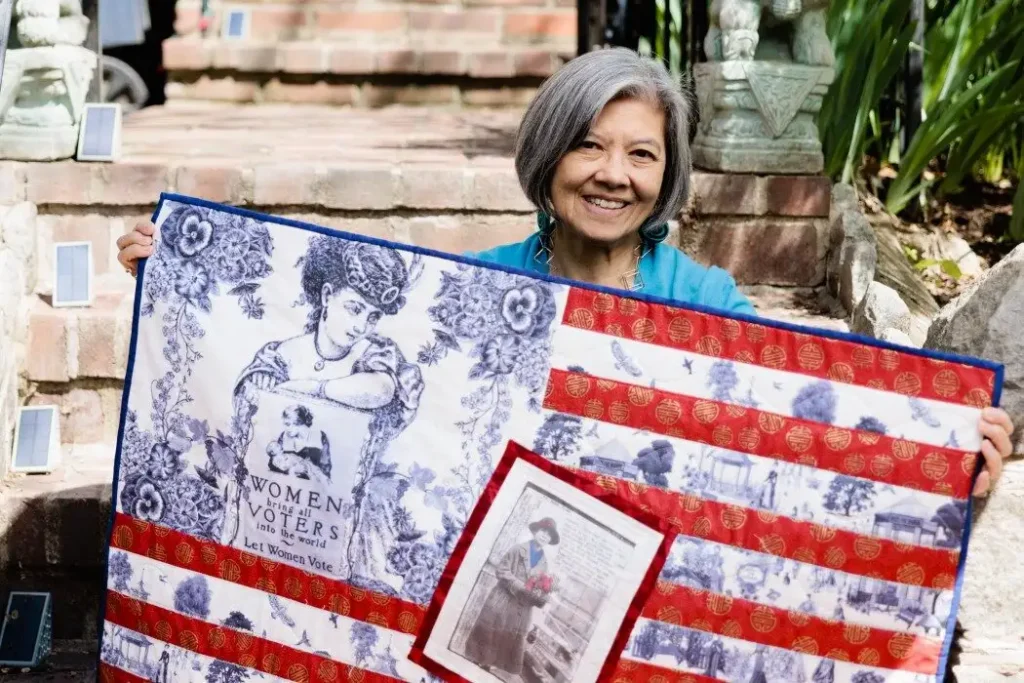
When the DC Modern Quilt Guild offered members an opportunity to make a patriotic quilt in 2021, Georgia Yuan thought long and hard about the theme. She chose to make something very unexpected. Her quilt is a celebration of the life of Mabel Ping-Hau Lee, an immigrant who was born in China in 1896, was raised in New York City, and fought for women’s right to vote, even though she was excluded from voting herself because of her ethnicity. Quilting Mabel’s story helped Georgia express her own experiences as a Chinese American.

Katherine Wilson

For Katherine Wilson, quilting is more than an art form—it’s a way of processing the world. Inspired by curiosity, frustration, and a lifelong commitment to social justice, her quilts tackle everything from racial stereotypes to shared human identity. Since taking up quilting after retirement, Katherine has built a nationally recognized body of work rooted in research, emotion, and fearless self-expression. Through every stitch, she creates not just art but healing.

Lisa D. T. Rice

When Lisa D. T. Rice told her son’s school that she knew how to sew, they in turn asked her if she could finish a quilt for a charity auction. Three decades later, Lisa has made dozens of quilts, almost all of which she gives away, including to newborns in need. A busy CEO and Washington, D.C. native with a passion for her community and for reforming democracy, quilting has offered Lisa a creative diversion from her work, and she uses her quilts to express her voice through her eclectic style.

Meg Fleshman

Artist, quilter and craft enthusiast Meg Fleshman loves playing with fabric. A military wife, she’s moved six times in the last 14 years, and her sewing machine goes wherever she does. A long-time garment sewist, Meg got serious about making quilts in 2024 after her fourth child was born. Now she’s taking her quilts public with “heritage inspired” patterns.

Roland Freeman

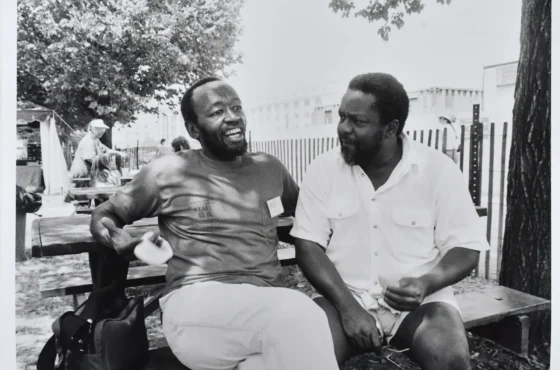
In this heartfelt reflection, Quiltfolk writer Dr. Sharbreon Plumber revisits the enduring legacy of Roland L. Freeman and his groundbreaking book A Communion of the Spirits: African-American Quilters, Preservers, and Their Stories. More than a survey of Black quiltmaking traditions, Roland’s work is remembered for the intimacy and care with which he documented the lives, histories, and creative practices of the quilters he photographed. The article explores how his patient, community-centered approach reshaped quilt scholarship and continues to influence contemporary artists and storytellers today.

Anacostia Museum

The Smithsonian’s Anacostia Community Museum, tucked in the southeast Washington, D.C. neighborhood of Anacostia, is a gem worth visiting. With a focus on local history and culture, it holds a collection ranging from African American art and music to photography and personal papers. It has a long history of collaborating with local communities, and it preserves a remarkable quilt collection.

National Museum of the American Indian

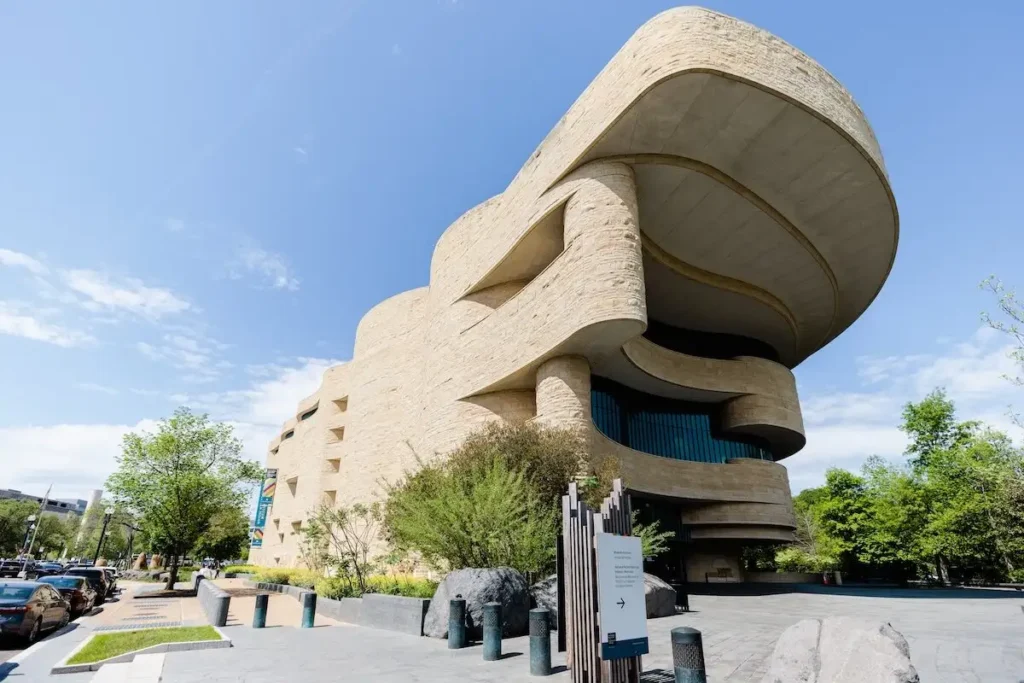
At the Smithsonian National Museum of the American Indian, more traditional artifacts sit alongside a remarkable collection of quilts—works never intended for display but made for everyday life. In the 1960s, Florence Pulford formed close friendships with Northern Plains Native quiltmakers, including Almira Buffalo Bone Jackson, and ultimately became the caretaker of dozens of their quilts. Decades later, 88 of these pieces entered the museum’s permanent collection, preserving not only extraordinary craftsmanship but deeply personal stories of resilience, culture, and community. What were once considered utilitarian objects now stand as powerful records of Native women’s lives and artistry.

Renwick Gallery

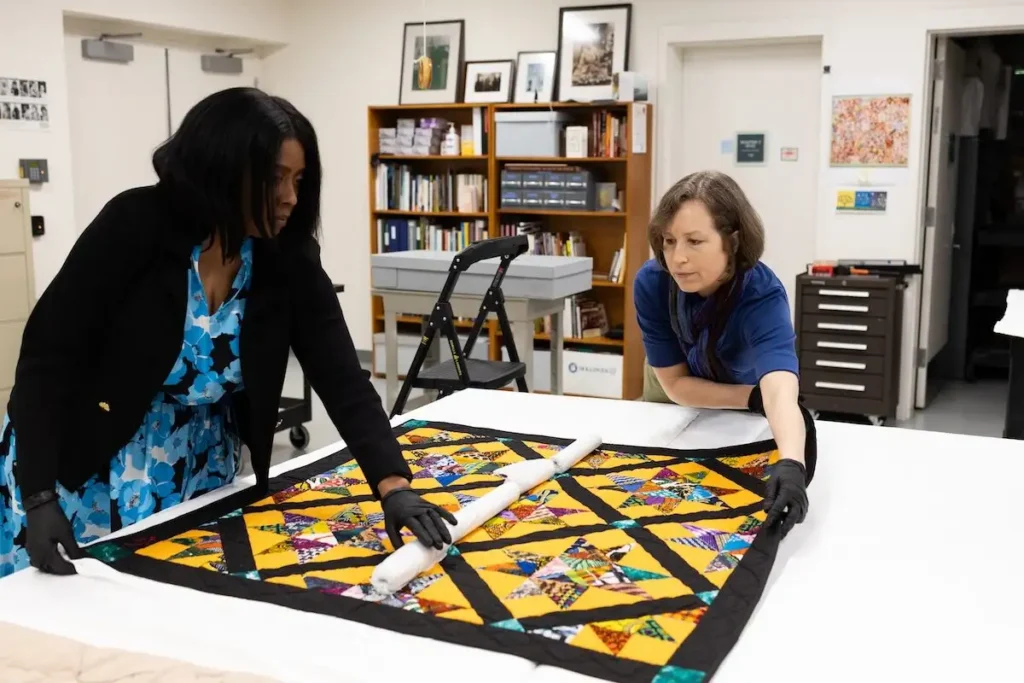
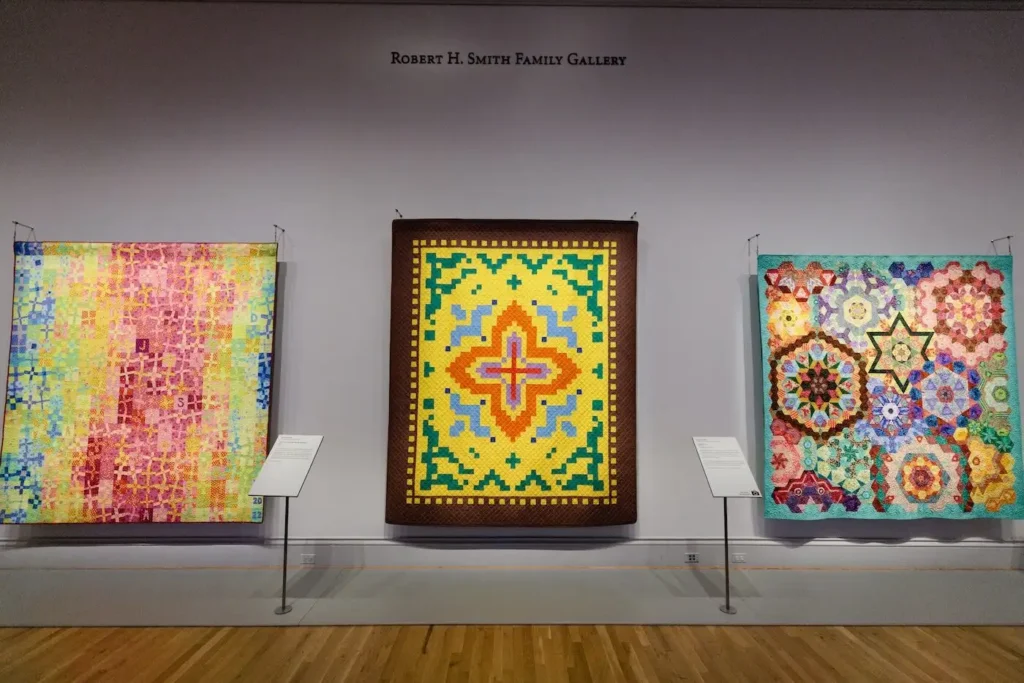
At the Smithsonian’s Renwick Gallery, quilts are more than textiles—they are records of artistry, resilience, protest, and personal triumph. The Renwick’s recent exhibition State Fairs: Growing American Crafts traced the long history of quilts at American state fairs, from dazzling award-winning masterpieces to deeply moving works that changed lives. Quilts remain some of the most powerful and beloved objects in the Smithsonian Institution collections. The Renwick is a celebration of craft, community, and the enduring ability of quilts to give voice to overlooked histories.

Uhuru Quilters Guild

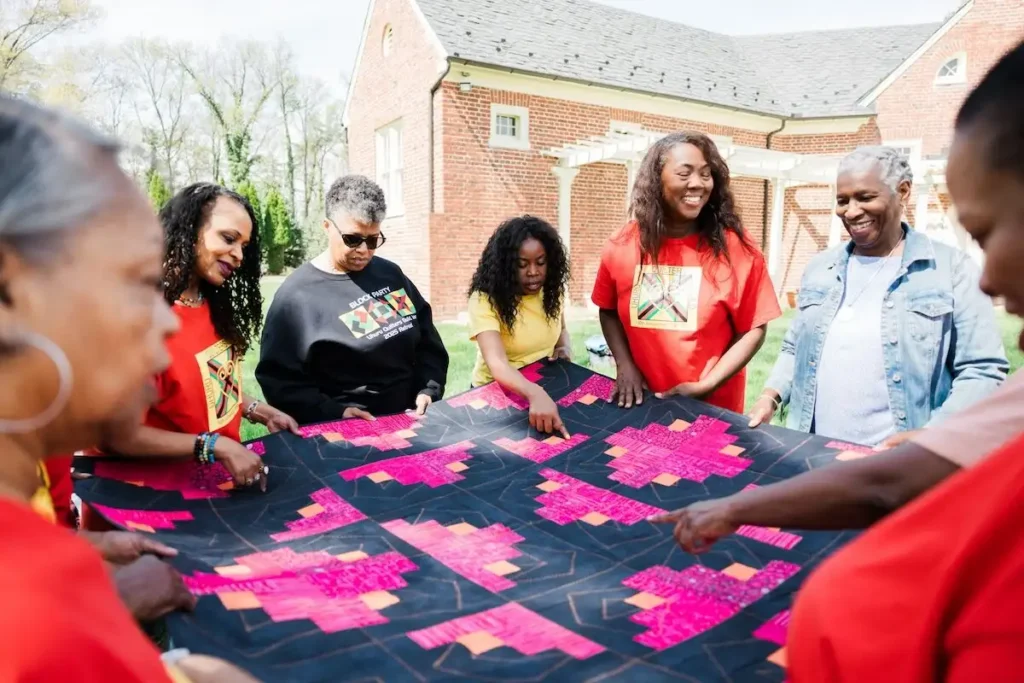
When Carol Williams walked out of a quilt show in 1994 unable to join the guild that hosted it, she put out a signal to African American makers interested in convening around a shared love of quilting. What was started—the Uhuru Quilters Guild of Prince George’s County, Maryland—has spent 32 years living up to its name, which means “freedom” in Swahili. With a founding philosophy of “each one, teach one,” the guild has built an extraordinary record of community service alongside a creative practice that refuses categorization.

Look for the following articles on the Quiltfolk Journal! 

Aarti Ravi

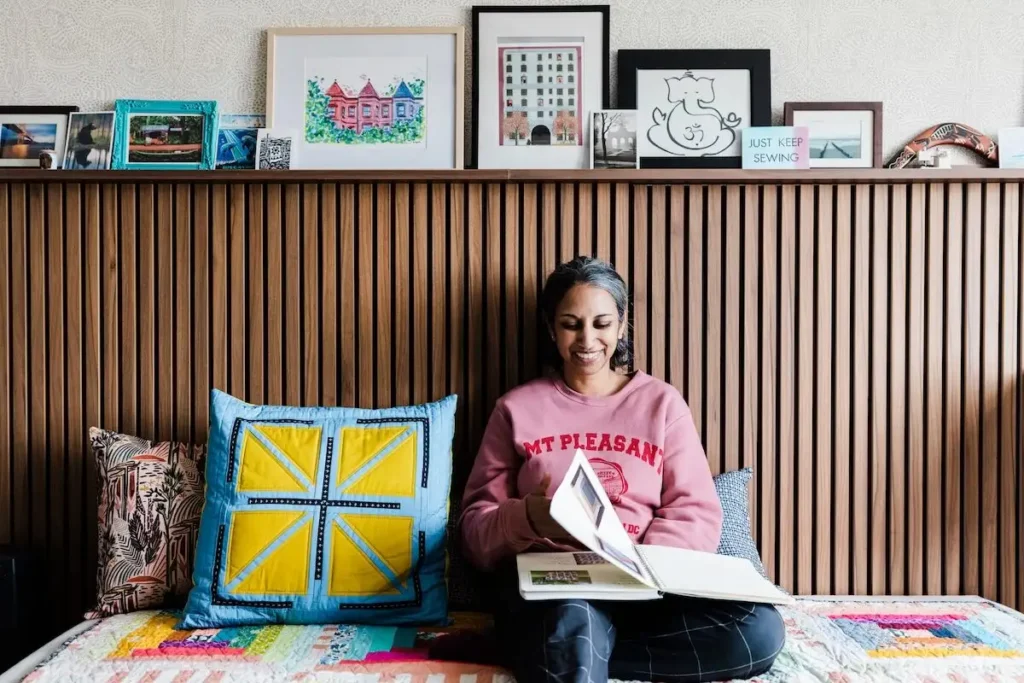
After a decade of living in Europe, Aarti Ravi moved back to the United States in 2018. She bought herself a new sewing machine and, motivated by a smattering of friends’ new babies, decided to start quilting. Eight years later, quilting has provided a lifeline to loved ones as far away as India and Australia, and as close as her native Ohio and her adopted city of Washington, D.C. Finding joy in giving most of her quilts away to loved ones or to charity, Aarti keeps a couple of very special quilts close at hand, cherishing them for the bonds held together by more than just their threads.

Available in the Journal in July!

Cassandra McKee

Cassandra McKee has been a grassroots organizer and social justice advocate for her entire career, but it wasn’t until a leadership retreat in 2020 that she found a way to connect that work to her life as a quilter. As co-chair of the DC Modern Quilt Guild’s social justice committee, she launched Wrapped in Love for Justice, a project that brings guild members together to design and make personalized quilts honoring organizers and leaders, mostly women and women of color, who rarely receive public recognition for their work.

Available in the Journal in July!

DC Modern Quilt Guild

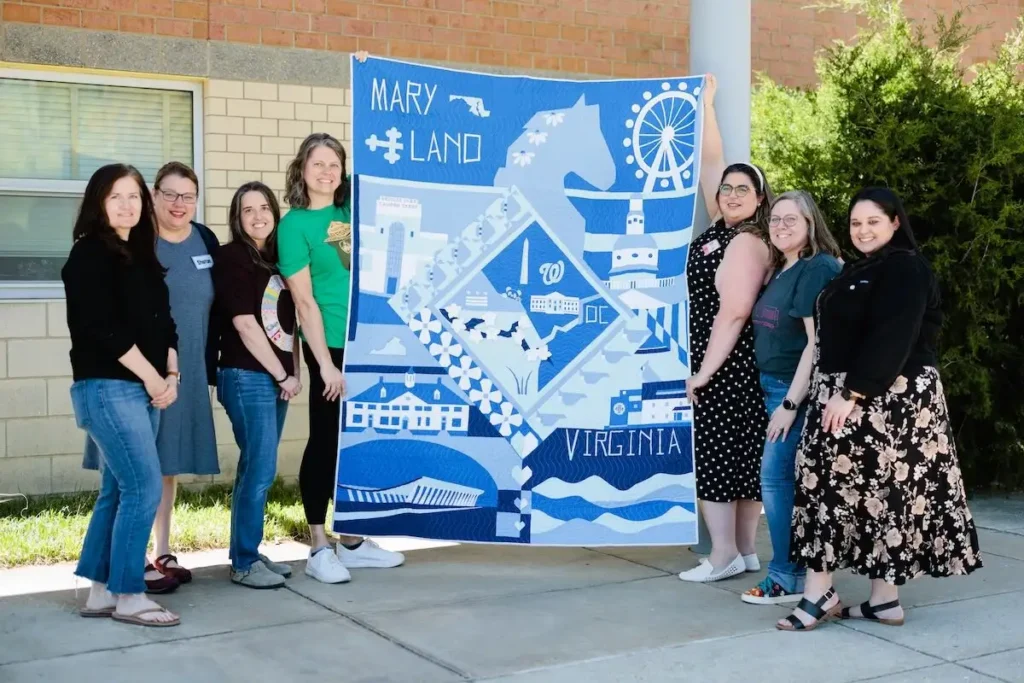
Since gathering for the first time in a D.C. coffeehouse around 2009, the DC Modern Quilt Guild has grown into a 177-member community spread across three jurisdictions. Rotating meeting locations, smaller socials, and a reliable biweekly newsletter called The Stitch keep members connected across a sprawling metro area. In 2020, the guild launched a social justice committee whose work has ranged from honoring social justice advocates with quilts to collaborating with the African American Quilters of Baltimore, always with an emphasis on making. The guild welcomes quilters at every skill level and has built a reputation for meeting people exactly where they are.

Available in the Journal in July!

Vanessa Villarreal

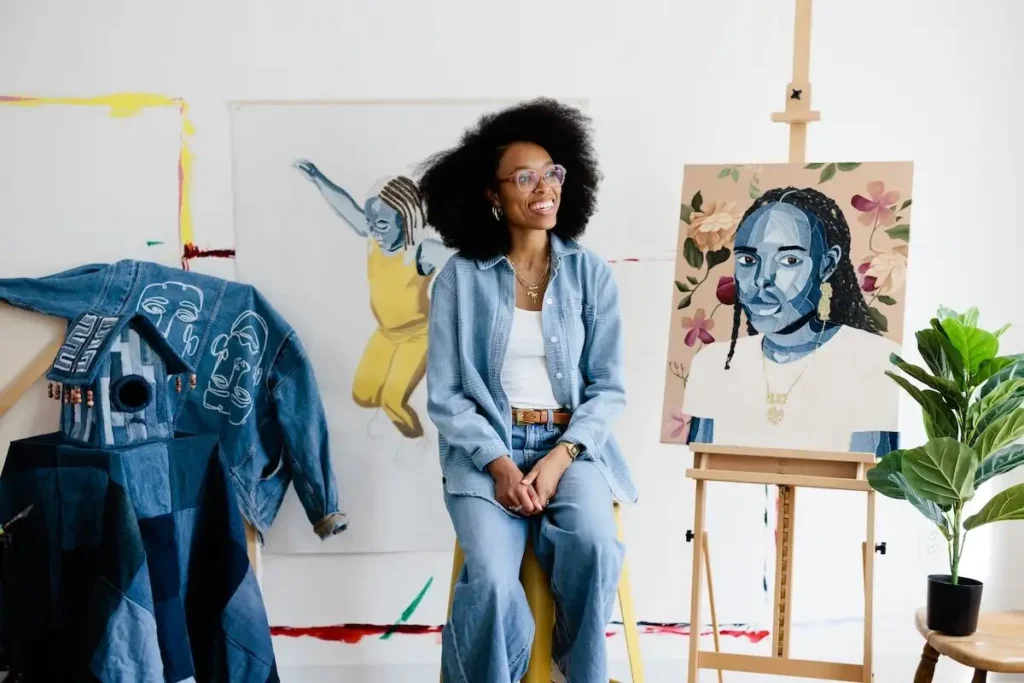
Vanessa Villarreal’s 2020 move to Washington, D.C. changed her life. As a pre-med student, she took a leap of faith, discontinued her graduate program, quit her full-time job, and became an artist who works in textiles, denim, acrylic, and quilting. A big part of what drew Vanessa to quilting was the opportunity to learn about her ethnic and cultural background.

Available in the Journal in July!

Special Offer

SPECIAL OFFER

Subscribe today and get a FREE magazine of your choice! Plus, get 70% off select back issues.

Account Login